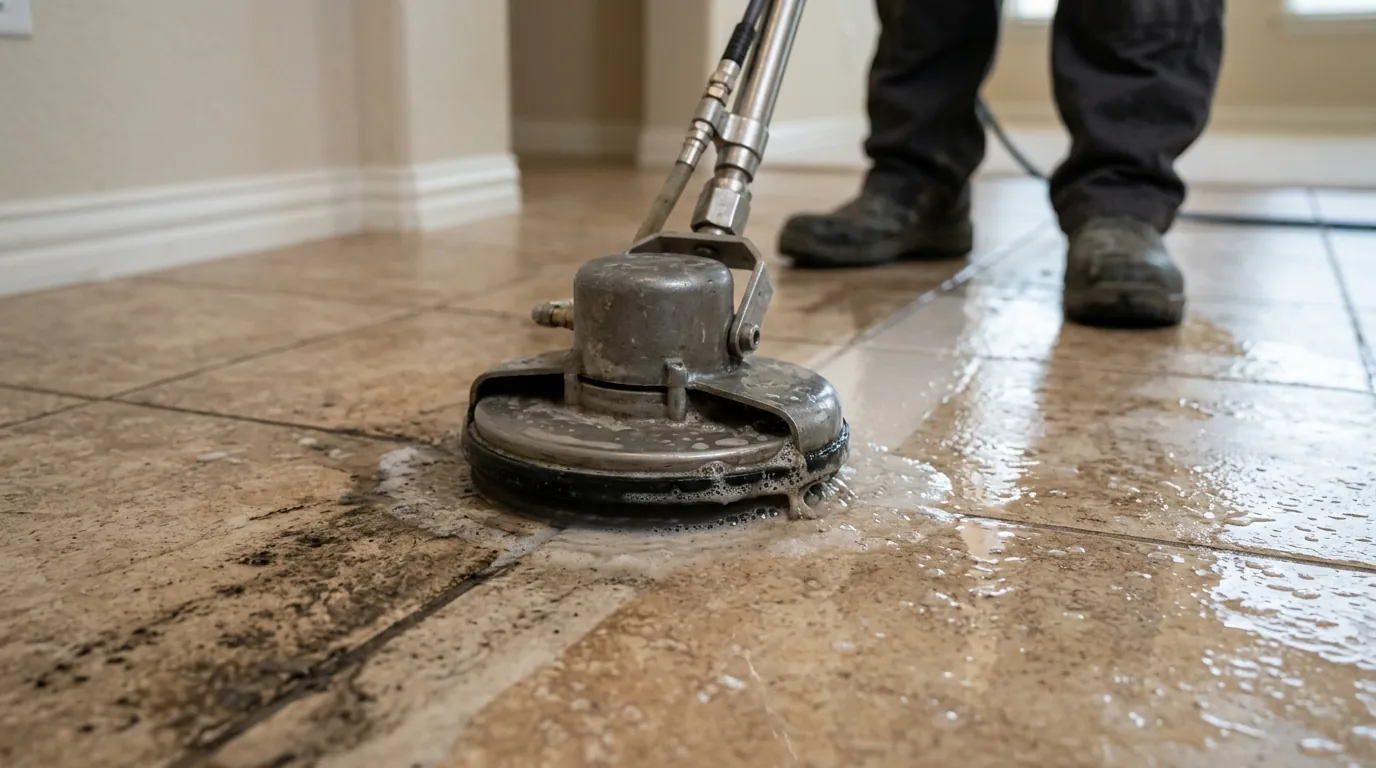
Quick answer
Carpet makers such as Shaw call for professional hot water extraction every 6 to 18 months, with heavy traffic at the short end, and that range holds in League City. Pets, toddlers, shoes worn indoors and allergies push a home toward six months. Humidity changes how the carpet should dry after a cleaning far more than how often it needs one.
The schedule carpet makers actually write down
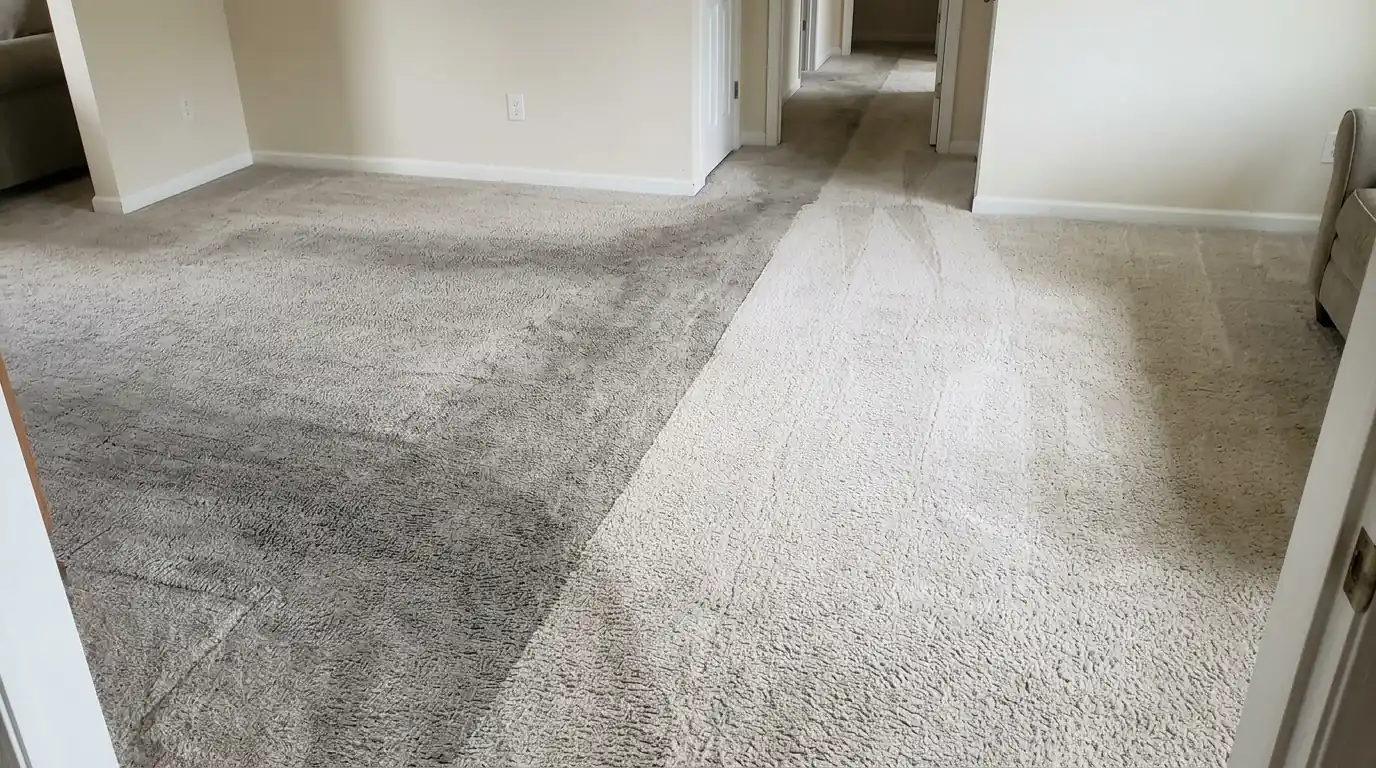
Carpet makers put cleaning intervals in their care guides because soil wears fiber out. Grit carried in on shoes works like sandpaper at the base of the tufts. Oily soil from skin, cooking and pets coats each fiber, and new dirt sticks to that film.
Shaw, one of the largest carpet makers, tells owners to schedule professional hot water extraction anywhere from every 6 to every 18 months, depending on traffic. Think of the long end as the limit for a quiet house, not a goal for every house. A retired couple with a shoes-off rule can sit near it. A family room where kids and a dog spend the afternoon on the floor will show gray lanes much sooner.
Household habits that move you toward the short end
The calendar matters less than what the carpet is carrying. These are the situations where we suggest cleaning sooner:
- Pets that shed, track in yard dirt or have the occasional accident.
- Babies and toddlers who crawl, nap and eat on the floor.
- Shoes worn indoors, especially through a back door that opens onto the lawn.
- Someone in the house with dust allergies or asthma, where removing settled allergens is the whole point.
- Smoking indoors, or an open kitchen that sends cooking grease toward the nearest rug or carpet.
- Light carpet colors, which show traffic lanes long before the fiber is actually worn.
If several of those apply, you do not have to clean the whole house on the short cycle. Traffic lanes, the strip in front of the sofa and the path to the back door can get professional carpet cleaning on their own between full visits. Bedrooms and formal rooms can stay on the longer schedule.
Does Gulf Coast humidity mean carpet needs cleaning more often?
Not by itself. Humid air does not make carpet dirtier, and a house with the air conditioning running holds much drier air than the yard outside. What humidity changes is everything around the cleaning: dust mites, odors from old spills, and how quickly a cleaned carpet gives up its water.
Dust mites take in water from the air instead of drinking it, so damp rooms suit them better than dry ones. For anyone with mite allergies, regular vacuuming and periodic extraction matter more here than in a dry climate.
League City's muggy stretch is long. By WeatherSpark's count, the city stays muggy for about 7.2 months, running April 1 through November 8 and peaking in July. In those months, a spill that was blotted but never rinsed can start to smell, and carpet left too wet after cleaning can turn sour before it dries.
Drying after a cleaning matters more in sticky air
Hot water extraction rinses soil loose and then vacuums the rinse water back out. Done well, it leaves carpet damp to the touch, not wet. The water still in the fiber has to leave through the room air, and humid air accepts it slowly.
Carpet that stays wet too long causes two problems. Soil deep in the pile wicks up to the tips as it dries, so spots seem to reappear a few days later. And pad that soaked up water during an over-wet cleaning holds it against the slab, which is where musty smells begin.
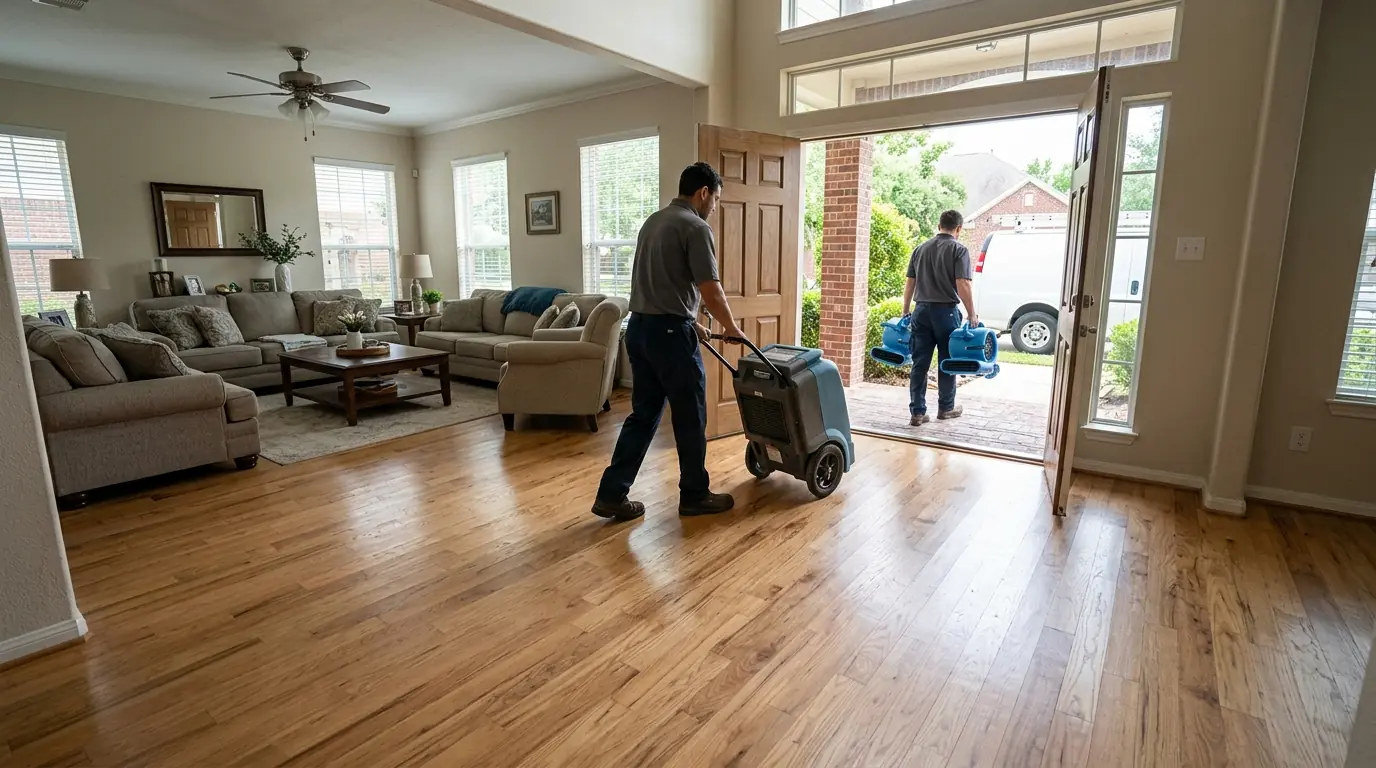
- Keep the air conditioning on at a normal setting during and after the visit.
- Leave windows and doors shut on muggy days, since outside air slows drying.
- Point ceiling fans and box fans across the carpet, not straight down into it.
- Ask for extra dry passes in traffic lanes and anywhere the pad feels soft underfoot.
- Leave the foil squares or plastic blocks under furniture legs until the carpet is fully dry, so wood stain and rust cannot transfer.
If you can pick the date, a cool, dry week between November and March shortens drying. With the AC running, a summer cleaning dries fine too, so a carpet that needs it should not wait for winter.
Traffic lanes gone gray? Call and we will talk through what your carpet needs.
Call (832) 737-0315Rainy months and the muddy path from the back door
WeatherSpark's averages make June and September the wettest months here, at about 4.6 inches of rain apiece. Wet weeks mean wet shoes, muddy paws and lawn soil coming inside, and most of it lands in the first few steps past each door.
A washable mat outside each entry and another just inside catch more of that grit than any cleaning schedule. During a wet stretch, vacuum the entry paths every couple of days so sand does not grind into the base of the pile.
Small habits between cleanings that keep fiber in shape
Most of what keeps carpet looking right happens between professional visits.
- Vacuum slowly with overlapping passes, so the brush roll has time to lift grit from deep in the pile.
- Blot spills at once with white towels and plain water, because rubbing frays the fiber and spreads the spot.
- Go easy on spot sprays and soap shampoos, which leave a sticky residue that pulls in new soil.
- Use rental machines sparingly, since they often leave carpet wetter and soapier than a professional rinse.
- Move furniture and area rugs a little now and then, so wear and sunlight are spread around.
Pet accidents need their own approach, because urine reaches the pad faster than a towel can catch it. Our article on why pet urine odor returns explains what works. Sofas and chairs in the same rooms collect the same soil, and upholstery cleaning on the same visit keeps the room even.
When cleaning cannot fix what you are seeing
Cleaning removes soil, but it cannot rebuild worn fiber. Lanes that look dull right after a cleaning, matted tufts that will not stand up, and backing showing through on stair noses all point to wear rather than dirt.
Ripples and buckles are a different problem. The carpet has loosened or let go of the tack strip, and re-stretching the carpet usually flattens it without replacing anything. A musty smell that returns after every cleaning tells you water reached the pad at some point, from a leak, a pet or an earlier soaking, and a meter check for wet carpet and pad answers that faster than another shampoo.
Carpet cleaning schedule questions from League City homes
For a light-use home without pets, yes, and many quiet homes can stretch toward the 18 months carpet makers allow. Homes with pets, toddlers, allergies or shoes worn inside do better with the busy rooms cleaned twice as often.
It depends on the fiber, how much water went down and the air in the room. Air conditioning, closed windows and fans across the surface all shorten it. Carpet still damp the next day may have wet pad underneath.
Not on a humid day. Summer air outside a League City house carries more moisture than air-conditioned indoor air, so open windows slow drying. Keep the house closed, the AC on and fans moving air over the carpet.
Hot water extraction, often called steam cleaning, is the method carpet makers recommend. Damage comes from leaving too much water or detergent behind, or using high heat and harsh chemistry on wool, not from the method itself.
Extraction removes mite debris and settled allergens from the carpet, and a sealed HEPA vacuum helps between visits. Mites also live in bedding and upholstered furniture, so carpet cleaning is one part of controlling them, not all of it.
