
Updated October 2026
Quick answer
Storm water inside a League City home is usually rain that entered through a window, door or roof opening, and it is often treated as Category 2 once it has run through roofing, insulation or a wall cavity. The opening has to be covered before drying starts, or the next rain band undoes the work.
Storm damage that is easy to miss
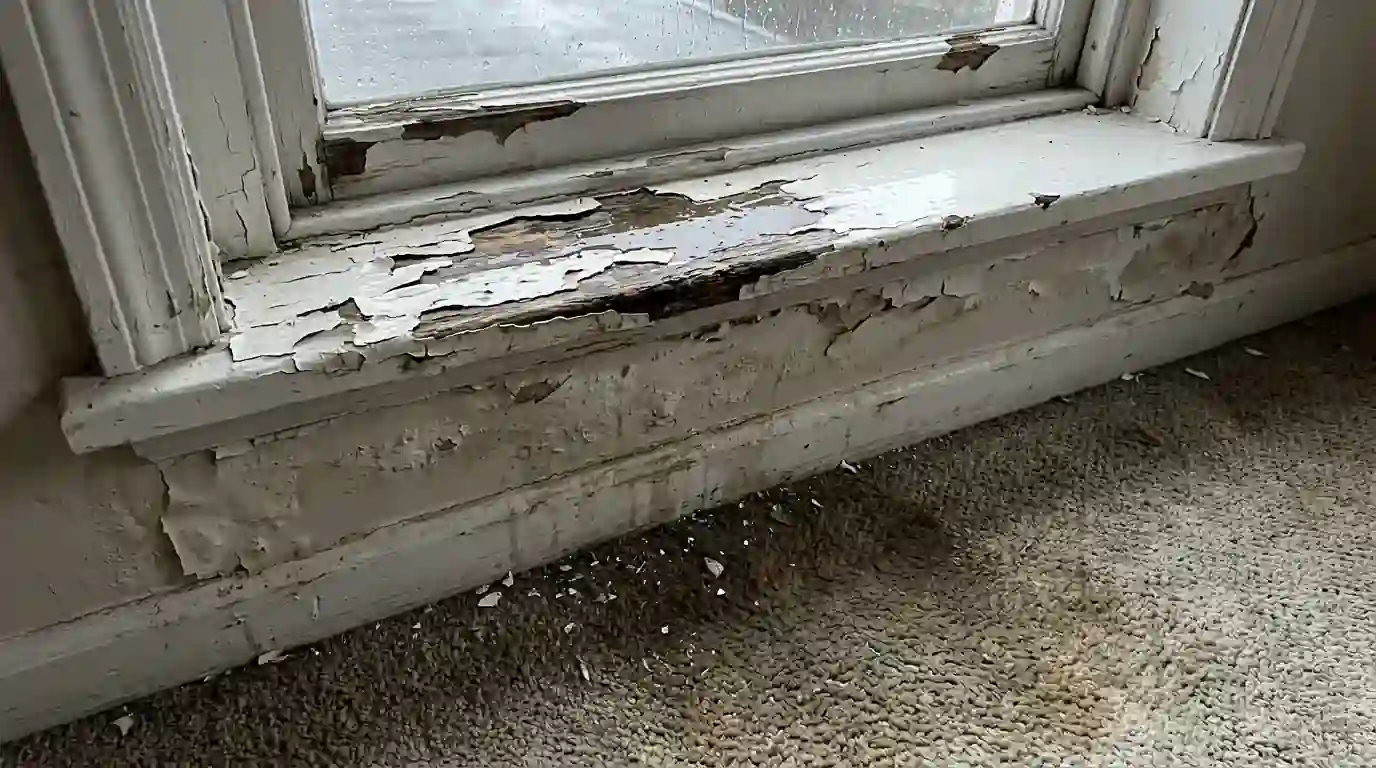
Damp carpet under a window
Wind-driven rain often soaks the floor edge below the sill.
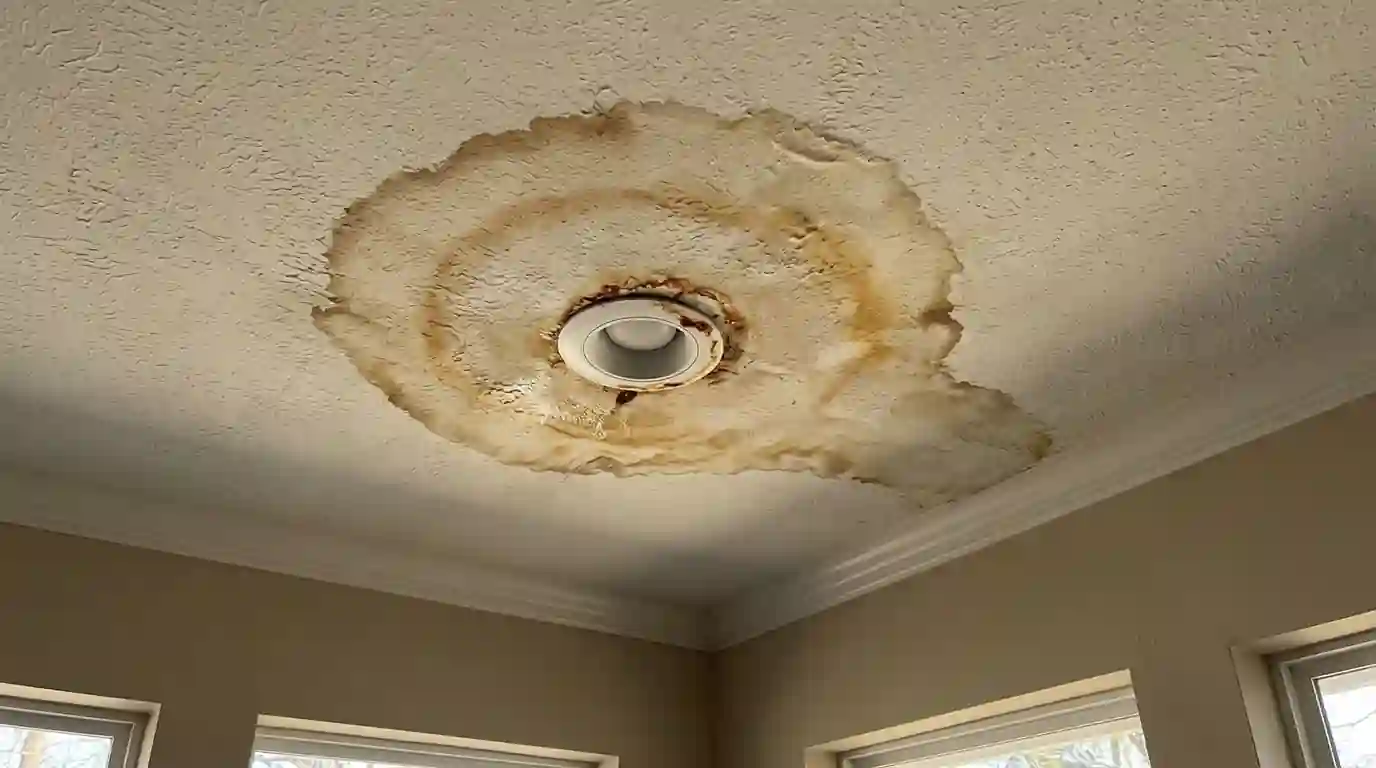
A ring on the ceiling
Water is sitting on top of the ceiling board above.
Peeling paint below a frame
The cavity under the window took on water.
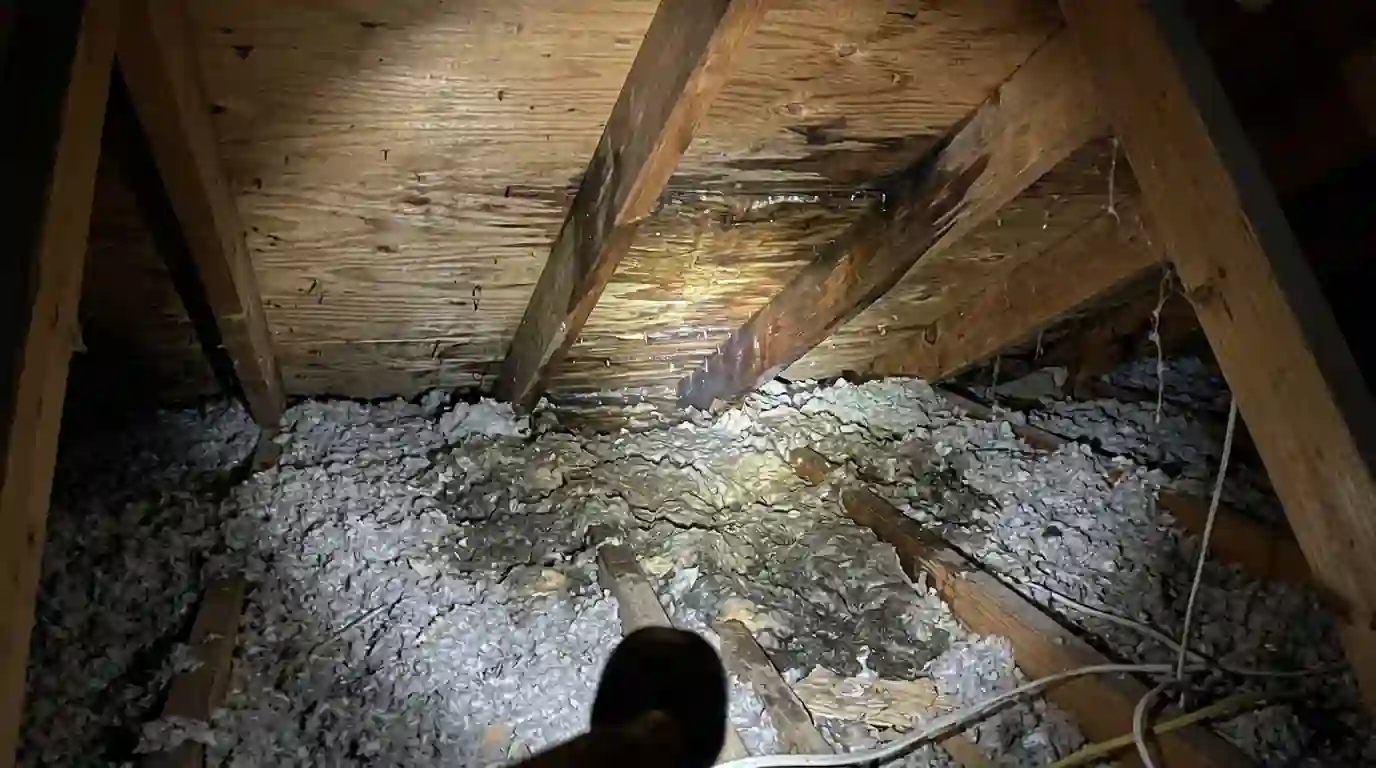
Drips at light fixtures
Water at a fixture or vent means wet attic insulation.
Shingles in the yard
Missing roofing above means water may already be inside.
Where storm water goes once it gets inside
Wind pushes rain sideways, and sideways rain gets past seals that handle an ordinary shower without trouble. It soaks the framing under a window, runs down the inside of an exterior wall, or pools on top of the ceiling drywall in the attic. Because the water travels behind finished surfaces, the stain you can see is a poor guide to the wet area.
Our first job is keeping more water out with a tarp or plywood, as our tarping and board-up page describes. Then we map moisture across walls, ceilings and the attic, pull wet insulation, open the bottom of exterior walls where readings call for it, and dry the structure. If the water rose from outside instead, the job becomes a flood cleanup.
Wind-driven rain at windows and doors
After a windy storm, you may find water on the sill, a damp strip of carpet under the window, or paint peeling below the frame. Rain driven hard against the glass works past aging caulk and soaks the framing under the window, out of sight. At doors, it slips under the threshold and wets the carpet edge and tack strip. We read the wall under each window and the floor inside each door, open drywall only where readings stay high, and dry the cavity. Resealing the window comes before the next storm.
Roof damage leaks after a storm
A roof that lost shingles or flashing usually leaks into the attic first. Insulation soaks up the water, the ceiling below shows a ring or begins to bow, and drips may fall from a light fixture or vent. Once the opening is covered, we check the decking, rafters and insulation from the attic. Soaked insulation is removed, because it mats down and holds water against the drywall. Ceiling board that has bellied is taken out, while board that kept its shape is dried, sealed with a stain blocker and repainted.
Water after a hurricane
After a hurricane, one house can hold several kinds of water at once: rain through a damaged roof, wind-driven water at every window on the exposed side, and sometimes rising water from outside. We sort them room by room before any tear-out. Rain in the attic and walls is dried once wet materials are out, while a room that took rising water gets Category 3 flood removal. Power outages leave houses closed and hot, so mold can start before anyone returns, and we check for it first.
How we work a storm-damaged house
Cover the opening
A roof tarp or plywood goes on so the next rain stays outside.
Map every wet area
Walls under windows, ceilings and the attic are metered room by room.
Sort the water
Rain and rising water are separated, since they are handled differently.
Remove and dry
Wet insulation and failed drywall come out, and drying equipment goes in.
Document for the claim
Photos, readings and a room-by-room list go to you for the adjuster.
Rainy months and Harvey's toll on Galveston County homes
June and September are League City's rainiest months, each averaging about 4.6 inches, and September also falls in the heart of hurricane season. Harvey showed how far storm damage can reach here: roughly 19,000 houses and other structures across Galveston County took damage. Most storm damage is far smaller, a few rooms wet from one roof or window leak. The same rule applies either way. Cover the opening, find every wet cavity with a meter, and dry it before humid air turns wet framing into a mold problem.
What we cover on a storm damage visit
- Temporary cover over any roof or window opening
- Moisture readings under every window on the exposed side
- Attic check of decking, rafters and insulation
- Wet insulation removed and bagged
- Bowed ceiling drywall taken down safely
- Drying equipment set and readings logged
- Photo and reading report for your adjuster
What shapes the cost of storm water cleanup
Rain that ran through a roof or wall is usually priced as gray water work, the range listed here. The final figure follows the readings.
- Entry point
- One window leak is smaller than a roof opening over several rooms.
- Attic insulation
- Wet insulation is bagged and removed before the ceiling can dry.
- Ceiling condition
- Bowed drywall comes down, while firm drywall can usually be dried.
- Rising water
- Rooms that took outside water are priced as flood work.
- Temporary cover
- Tarping or boarding is a separate charge from drying.
Published national planning ranges
- Category 2 gray water, per square foot: $4.10 to $7 per sq ft (lawnstarter.com, 2026)
These are national figures from published cost guides, shown for planning only. They are not a quote and not our price list; your job is priced after we see it.
Questions after a storm hits League City
Often, when wind or debris made the opening. Rain through a worn roof without storm damage is commonly excluded, and coastal wind may sit on a separate windstorm policy.
Move furniture and electronics away from the leak, catch drips in buckets, and keep people clear of any ceiling that is bowing.
Rarely. Soaked batts and blown-in insulation mat down and hold water against the ceiling, so wet sections are normally removed and replaced.
Sooner than most people expect in a closed house without power. Our guide on how fast mold grows explains why early drying matters.
No. Policies generally expect you to prevent further damage, so photograph everything, list the damaged items and start drying. The adjuster works from that record.
